
Discover Advanced Drone Inspection Services in the UK

Drones have revolutionised many industries, and inspection services are no exception. In the UK, aerial inspection services are becoming increasingly popular for their efficiency, safety, and cost-effectiveness. These services use drones equipped with high-resolution cameras and sensors to inspect hard-to-reach places quickly and accurately. Whether it’s infrastructure, agriculture, or property maintenance, drones offer a modern solution that traditional methods struggle to match.
What Are Aerial Inspection Services and How Do They Work?
Aerial inspection services involve using unmanned aerial vehicles (UAVs), commonly known as drones, to capture detailed images and data from above. These drones are fitted with advanced technology such as thermal imaging, LiDAR, and high-definition video cameras. The data collected helps professionals assess the condition of structures, land, or crops without the need for scaffolding, ladders, or manual surveys.
The process typically starts with a flight plan designed to cover the inspection area comprehensively. The drone then flies autonomously or is piloted by an expert, capturing images and sensor data. After the flight, the data is analysed using specialised software to identify issues such as cracks, corrosion, leaks, or crop health problems.
Benefits of Aerial Inspection Services
Safety: Reduces the need for workers to access dangerous or hard-to-reach areas.
Speed: Inspections that once took days can now be completed in hours.
Cost-Effective: Saves money on equipment rental and labour.
Accuracy: High-resolution images and sensors provide detailed insights.
Versatility: Suitable for various industries including construction, energy, agriculture, and real estate.

Applications of Aerial Inspection Services in the UK
The UK’s diverse landscape and infrastructure make aerial inspection services highly valuable across multiple sectors. Here are some key applications:
Infrastructure and Utilities
Bridges, power lines, wind turbines, and railways require regular inspections to ensure safety and functionality. Drones can quickly scan these structures, identifying wear and tear or damage caused by weather and usage. For example, inspecting a wind turbine blade for cracks is much safer and faster with a drone than sending a technician up a tower.
Agriculture
Farmers use drones to monitor crop health, soil conditions, and irrigation systems. Thermal and multispectral cameras help detect pest infestations, nutrient deficiencies, and water stress early, allowing for targeted interventions that improve yield and reduce costs.
Property and Real Estate
Property managers and real estate agents benefit from aerial inspections to assess building conditions, roof integrity, and land boundaries. This technology provides detailed reports and visuals that support maintenance planning and property sales.
Environmental Monitoring
Drones assist in monitoring wildlife habitats, forestry health, and coastal erosion. They provide valuable data for conservation efforts and environmental impact assessments.

Can I Use a Drone to Inspect My Roof in the UK?
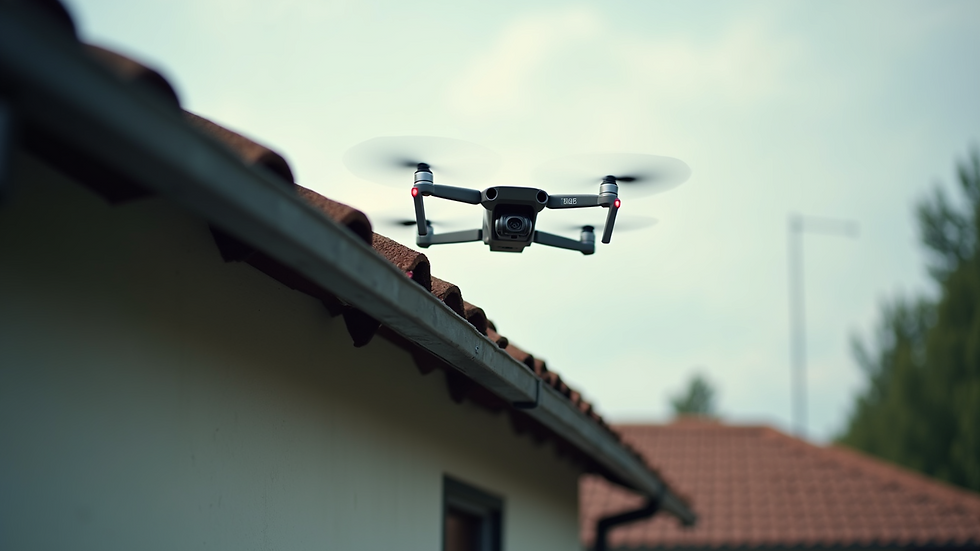
Yes, using a drone to inspect your roof in the UK is not only possible but highly recommended. Roof inspections traditionally involve climbing ladders or scaffolding, which can be risky and time-consuming. Drones offer a safer alternative by providing high-resolution images and videos from multiple angles without physical contact.
Legal Considerations
Before flying a drone for roof inspection, it’s important to comply with UK regulations. The Civil Aviation Authority (CAA) requires drone operators to follow specific rules, including:
Keeping the drone within visual line of sight.
Not flying above 400 feet (120 metres).
Avoiding flying near airports or crowded areas.
Respecting privacy laws and not capturing images of people without consent.
Hiring a professional drone inspection service ensures compliance with these regulations and guarantees high-quality results.
Practical Tips for Roof Inspection with Drones
Schedule inspections during good weather to avoid wind and rain interference.
Use drones equipped with zoom cameras to capture detailed images without flying too close.
Review the footage carefully to identify missing tiles, cracks, or signs of water damage.
Combine drone data with traditional inspections for a comprehensive assessment.
How to Choose the Right Drone Inspection Service Provider
Selecting a reliable drone inspection service provider is crucial for getting accurate and actionable data. Here are some factors to consider:
Experience and Expertise
Look for companies with proven experience in aerial inspections relevant to your industry. Check their portfolio and client testimonials to gauge their capability.
Technology and Equipment
Ensure the provider uses the latest drones equipped with appropriate sensors and cameras. Advanced features like thermal imaging or LiDAR can add significant value depending on your inspection needs.
Compliance and Insurance
Verify that the company complies with UK drone regulations and holds necessary insurance to cover any potential damages or accidents.
Data Analysis and Reporting
A good service provider should offer detailed reports with clear visuals and actionable insights. Ask about their data processing methods and turnaround times.
Customer Support
Choose a provider that offers excellent customer service and is willing to explain the inspection process and findings clearly.
For those interested in exploring professional options, drone inspection services in the UK offer comprehensive packages tailored to various industries.
Future Trends in Aerial Inspection Services
The future of aerial inspection services looks promising with continuous advancements in drone technology and data analytics. Here are some trends to watch:
AI and Machine Learning: Automated defect detection and predictive maintenance using AI algorithms will enhance inspection accuracy and efficiency.
Swarm Drones: Multiple drones working together can cover large areas faster and provide more comprehensive data.
Improved Battery Life: Longer flight times will allow for extended inspections without frequent recharging.
Integration with IoT: Combining drone data with Internet of Things (IoT) sensors will provide real-time monitoring and alerts.
Enhanced Safety Features: Collision avoidance and autonomous navigation will make drone operations safer and more reliable.
Embracing these innovations will help businesses and property owners in the UK maintain their assets better and reduce operational risks.
Aerial inspection services are transforming how inspections are conducted across the UK. They offer a safer, faster, and more cost-effective alternative to traditional methods. Whether you need to inspect infrastructure, agricultural land, or property roofs, drones provide detailed insights that help make informed decisions. By choosing the right service provider and staying updated on regulations and technology, you can fully benefit from this cutting-edge approach to inspections.


Comments